Rich in protein and fibre, Dal helps keep you full for longer and supports muscle health. Light and easy to digest, rasam is traditionally enjoyed to aid digestion.
Dal and rasam may both be staples in Indian cuisine, but they’re far from identical. From texture and ingredients to nutrition and taste, here’s what sets these two comfort foods apart.
2/7
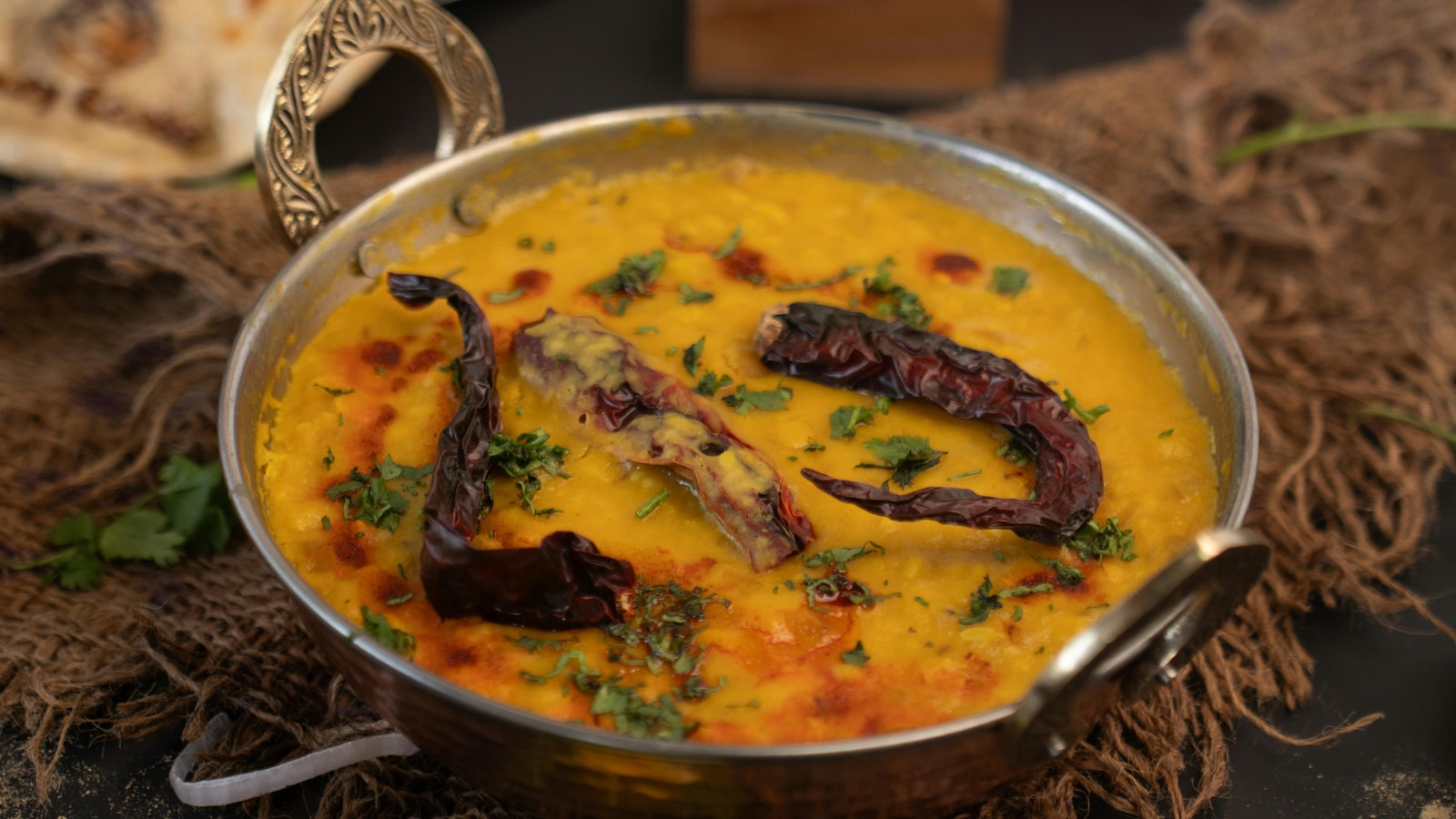
What Is Dal? Dal is a protein-rich Indian dish made with lentils such as toor, moong, masoor, urad or chana dal. It’s cooked until soft and finished with a flavourful tempering of spices, making it a wholesome everyday meal.
3/7
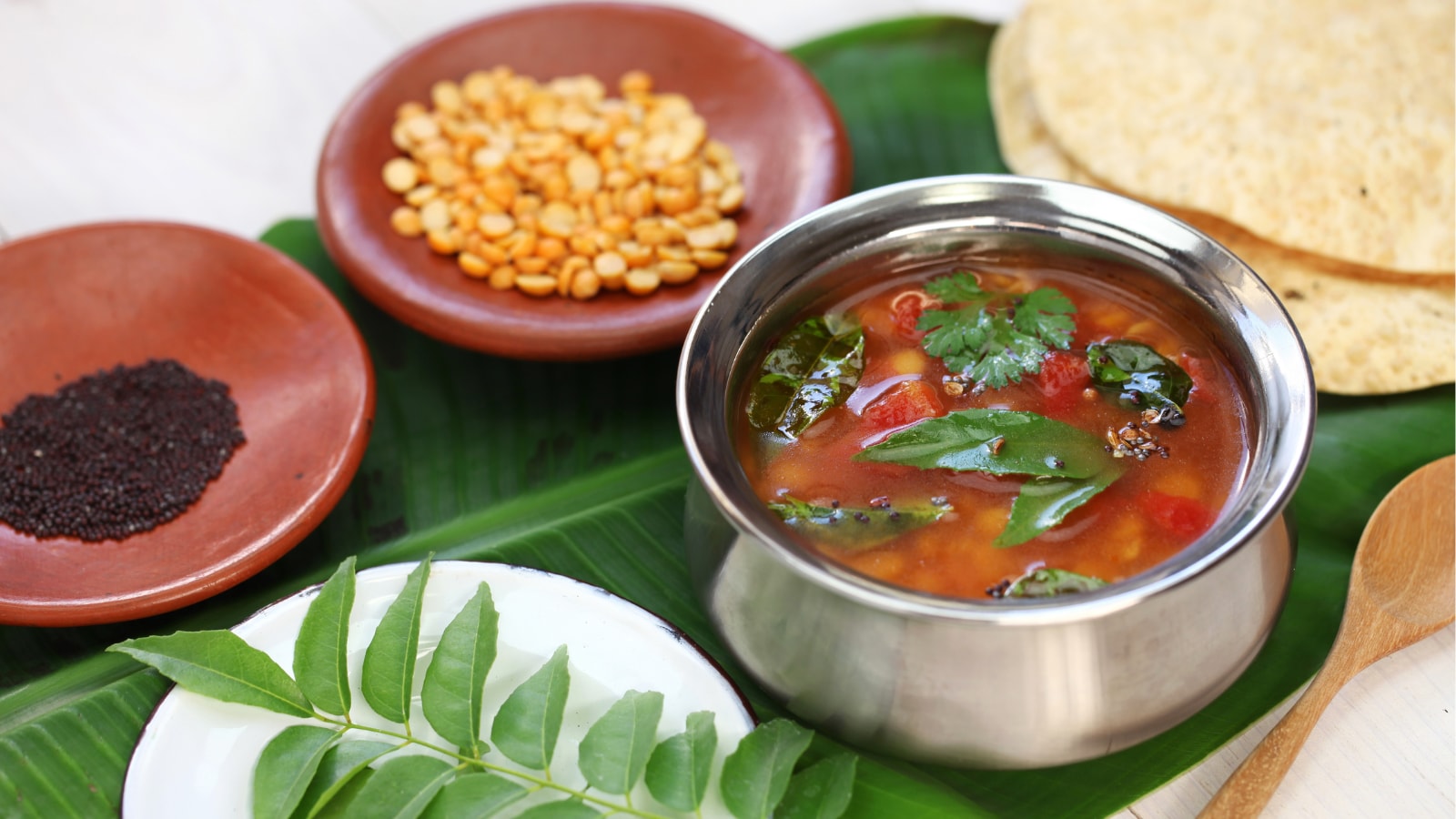
What Is Rasam? A classic South Indian favourite, rasam is a light, tangy broth made with tamarind, tomatoes, black pepper, cumin and aromatic spices. It contains only a small amount of lentils and is often enjoyed as a soup or with steamed rice.
Preferred Source on Google
4/7
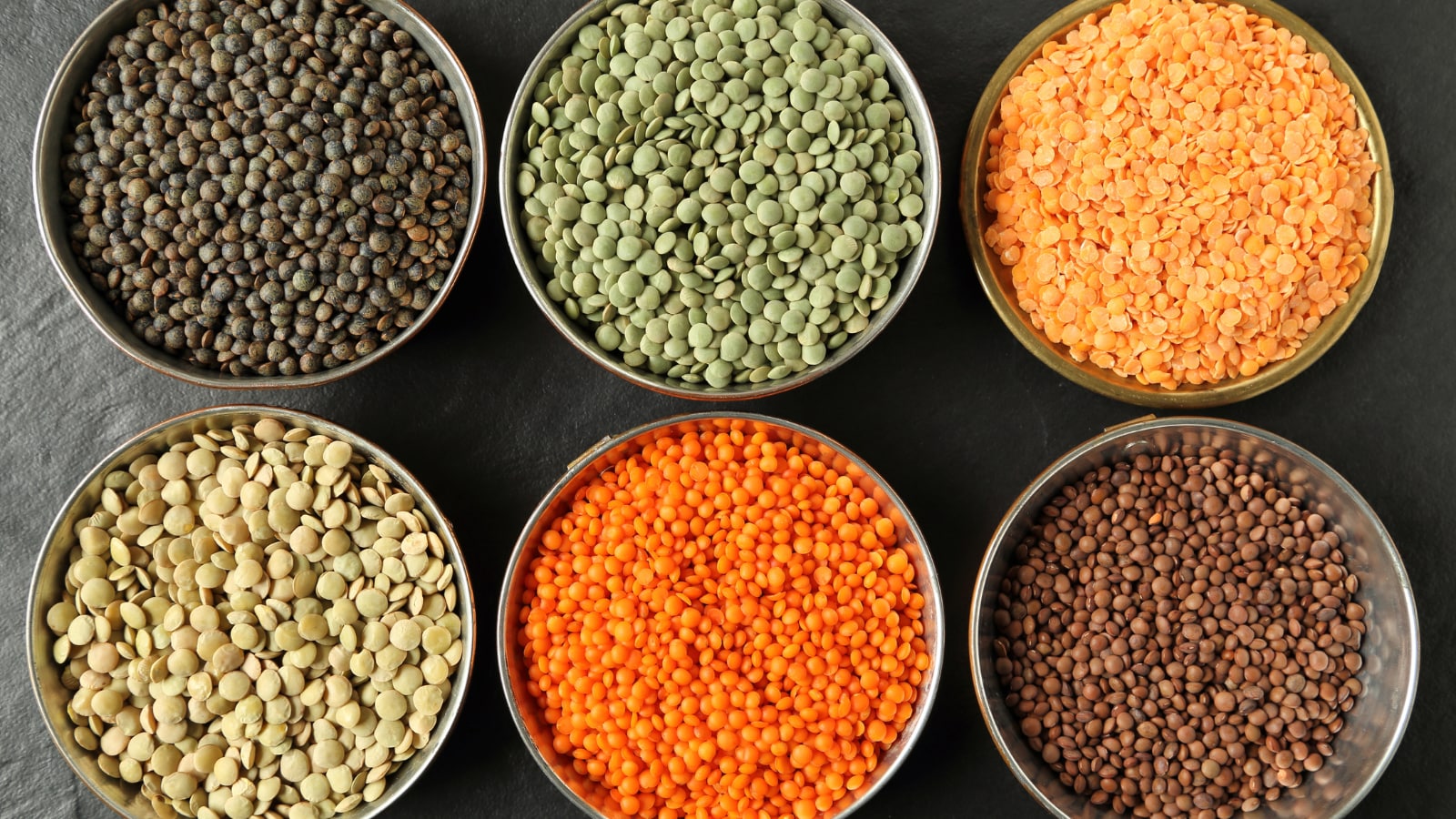
Key Differences: Dal is thick and hearty, while rasam is thin and broth-like. Dal can be mild or spicy, whereas rasam is tangy, peppery and aromatic. Lentils are the star of dal, while tamarind, tomatoes and spices define rasam.
5/7
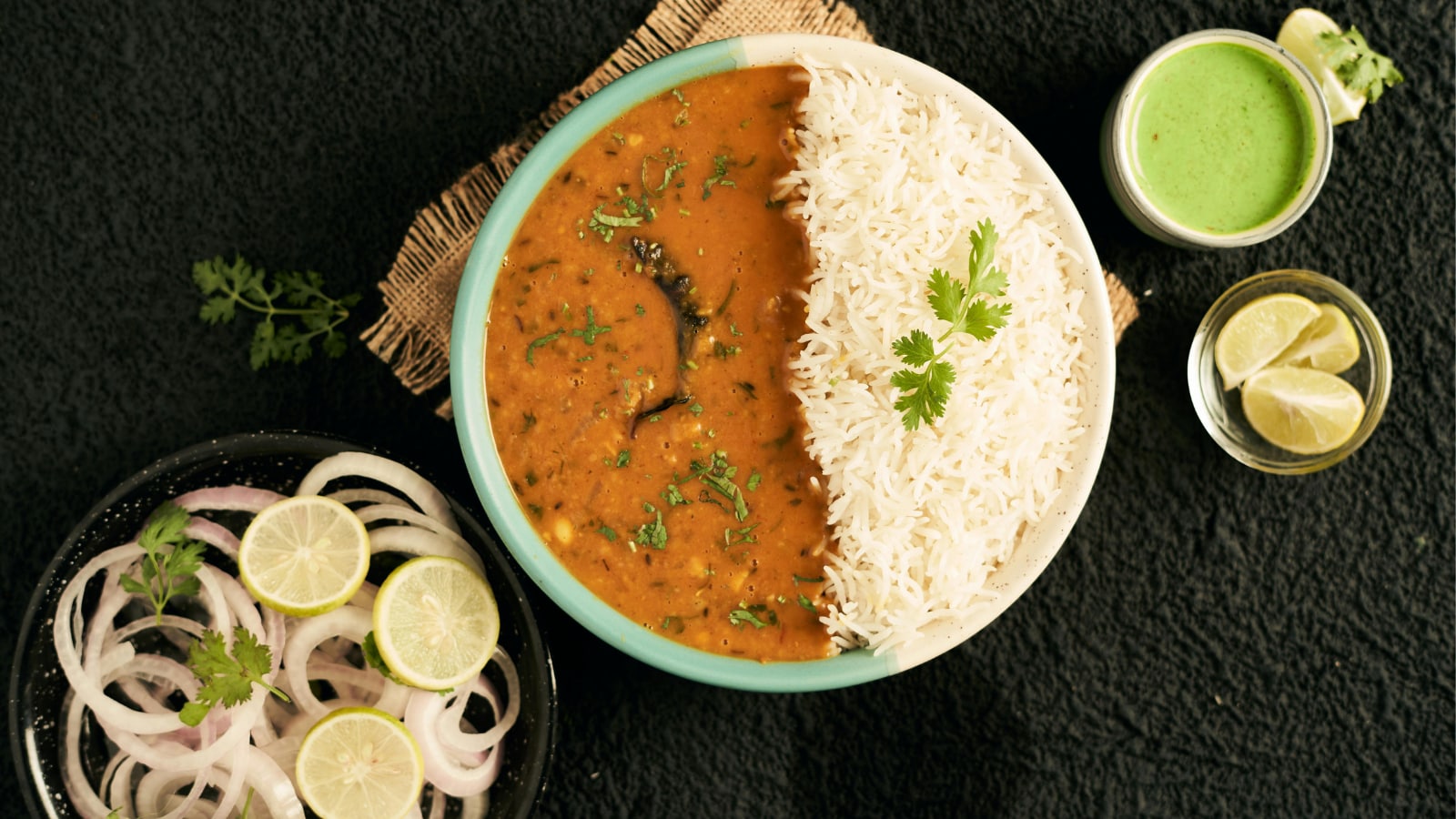
How Are They Served? Dal pairs well with rice, roti and parathas, making it a filling main dish. Rasam is traditionally served with rice, but is also commonly sipped on its own as a comforting soup.
6/7
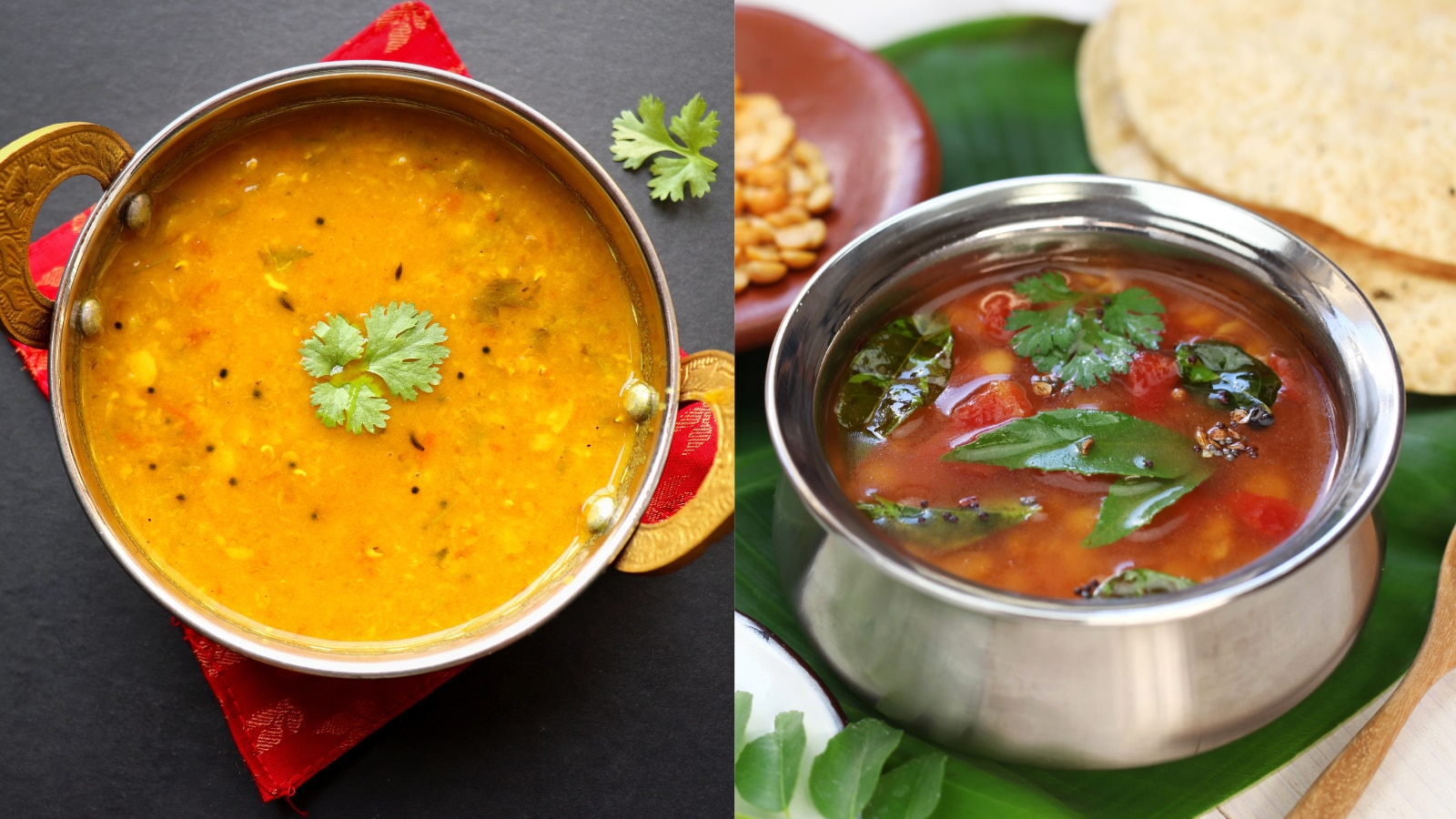
Which One Offers More Health Benefits? Rich in protein and fibre, Dal helps keep you full for longer and supports muscle health. Light and easy to digest, rasam is traditionally enjoyed to aid digestion, stimulate appetite and provide comfort during colds.
7/7
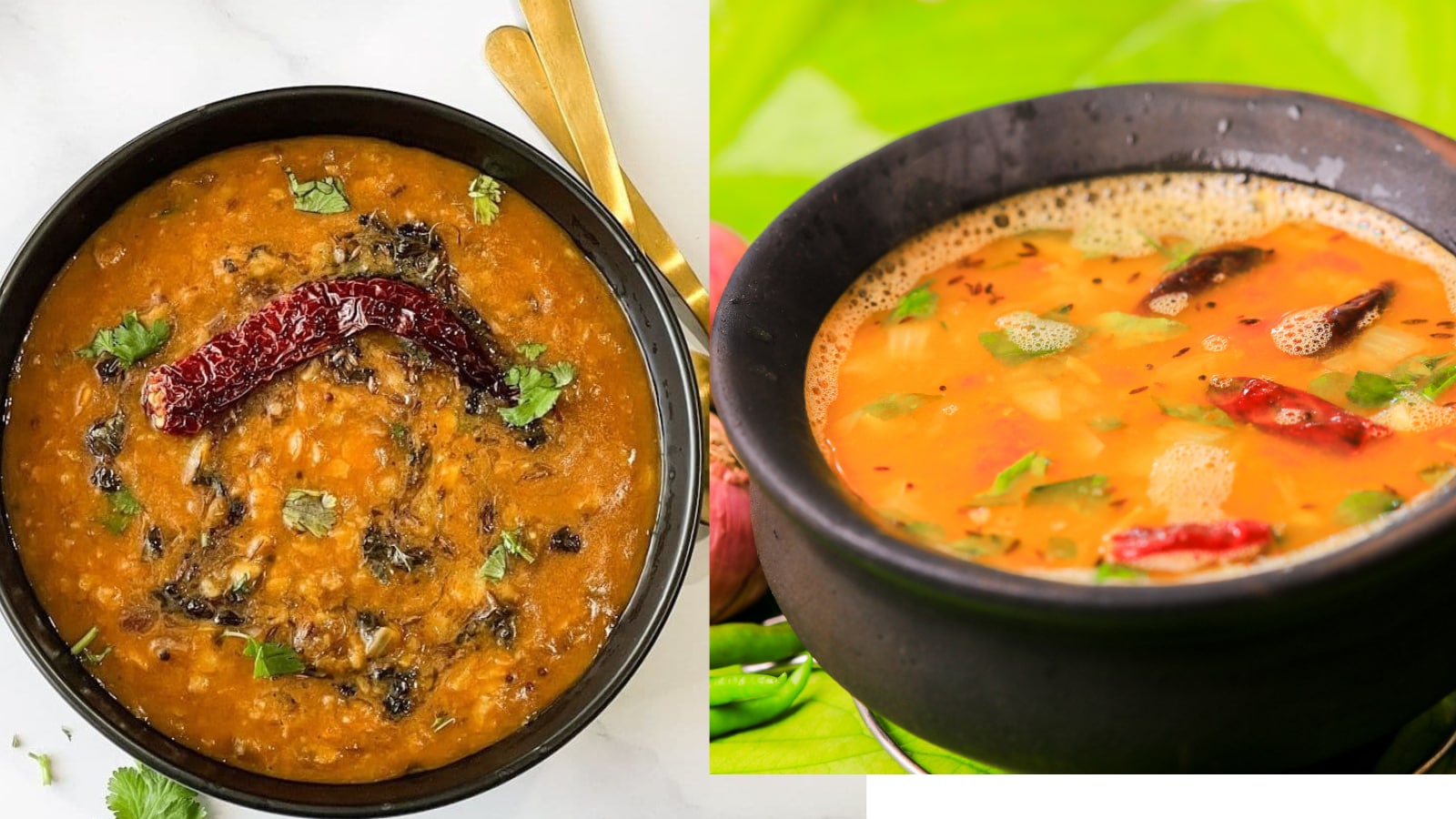
Which One Should You Choose? There’s no single winner—both are nutritious in their own way. Choose dal when you need a protein-packed, satisfying meal. Opt for rasam when you’re craving something light, flavourful and easy on the stomach. Better yet, include both in your diet for a balanced and wholesome meal plan. (All images: Canva)