Indian travellers are embracing rainy-season holidays, with Wayanad emerging as the country’s biggest monsoon hotspot.
TEL1/7

Gone are the days when the rainy season meant cancelling holidays. Indian travellers are increasingly choosing monsoon escapes, and the latest Cleartrip Peekaboo Trends Tracker shows just how dramatic the shift has been. Hotel bookings across the country have jumped by over 54%, while bus bookings have surged by an impressive 140%, signalling a growing appetite for rainy-season travel.
2/7
Wayanad Is The Biggest Winner
Among all destinations, Kerala’s Wayanad has emerged as the country’s biggest monsoon success story. The hill station recorded the highest growth in hotel bookings this season, with a remarkable 160% surge. While Alleppey followed closely with over 145% growth, popular hill stations like Kodaikanal and Ooty also saw bookings rise by nearly 70%, proving that cool weather and misty landscapes are back in demand.
Among all destinations, Kerala’s Wayanad has emerged as the country’s biggest monsoon success story. The hill station recorded the highest growth in hotel bookings this season, with a remarkable 160% surge. While Alleppey followed closely with over 145% growth, popular hill stations like Kodaikanal and Ooty also saw bookings rise by nearly 70%, proving that cool weather and misty landscapes are back in demand.
3/7
Rain Lovers Are Travelling Beyond The Hills
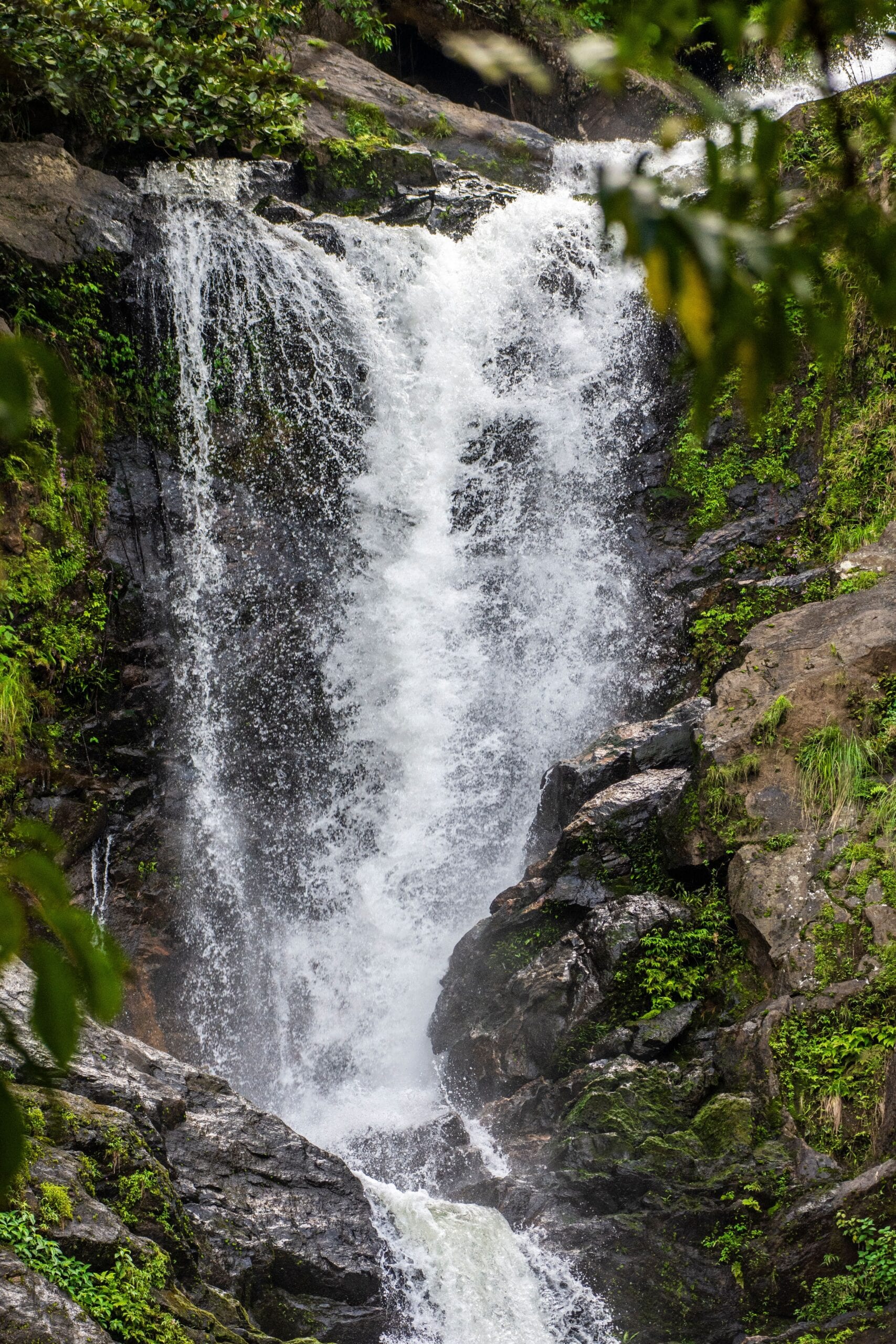
The monsoon boom isn’t limited to hill stations alone. Coastal and heritage destinations are witnessing strong demand too. Goa has recorded a 110% increase in hotel bookings, Pondicherry 104%, Visakhapatnam 85%, and Udaipur 50%. The trend suggests that travellers are no longer waiting for peak holiday seasons—they’re actively planning trips around the rains.
The monsoon boom isn’t limited to hill stations alone. Coastal and heritage destinations are witnessing strong demand too. Goa has recorded a 110% increase in hotel bookings, Pondicherry 104%, Visakhapatnam 85%, and Udaipur 50%. The trend suggests that travellers are no longer waiting for peak holiday seasons—they’re actively planning trips around the rains.
4/7
Why Wayanad Is Drawing Everyone
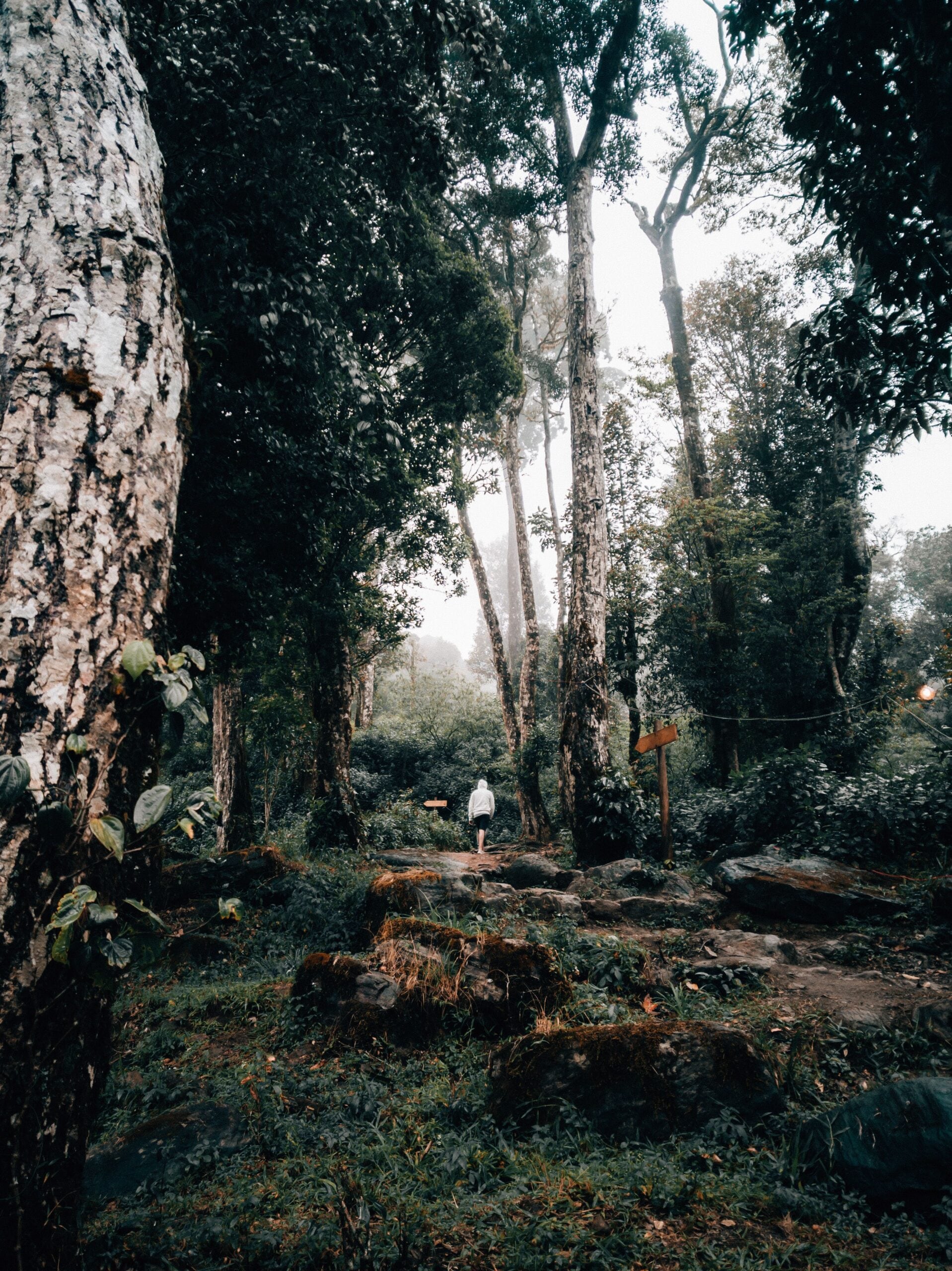
Unlike more commercial hill stations, Wayanad offers a quieter, greener experience. Surrounded by dense forests, spice plantations and coffee estates, the destination feels especially untouched during the monsoon. It’s this balance of nature, serenity and relatively fewer crowds that has made Wayanad the standout choice this season.
Unlike more commercial hill stations, Wayanad offers a quieter, greener experience. Surrounded by dense forests, spice plantations and coffee estates, the destination feels especially untouched during the monsoon. It’s this balance of nature, serenity and relatively fewer crowds that has made Wayanad the standout choice this season.
5/7
The Monsoon Completely Transforms The Landscape
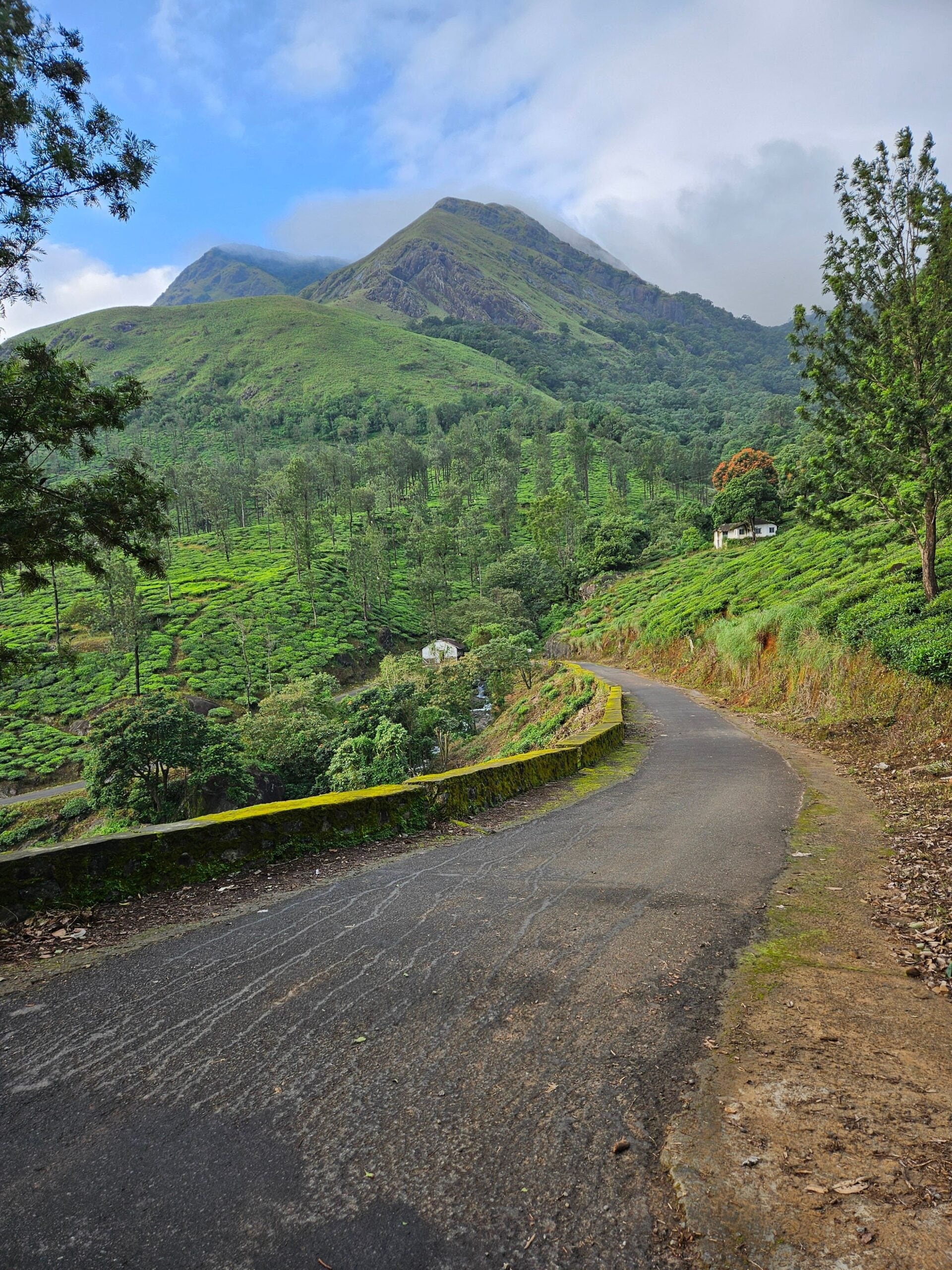
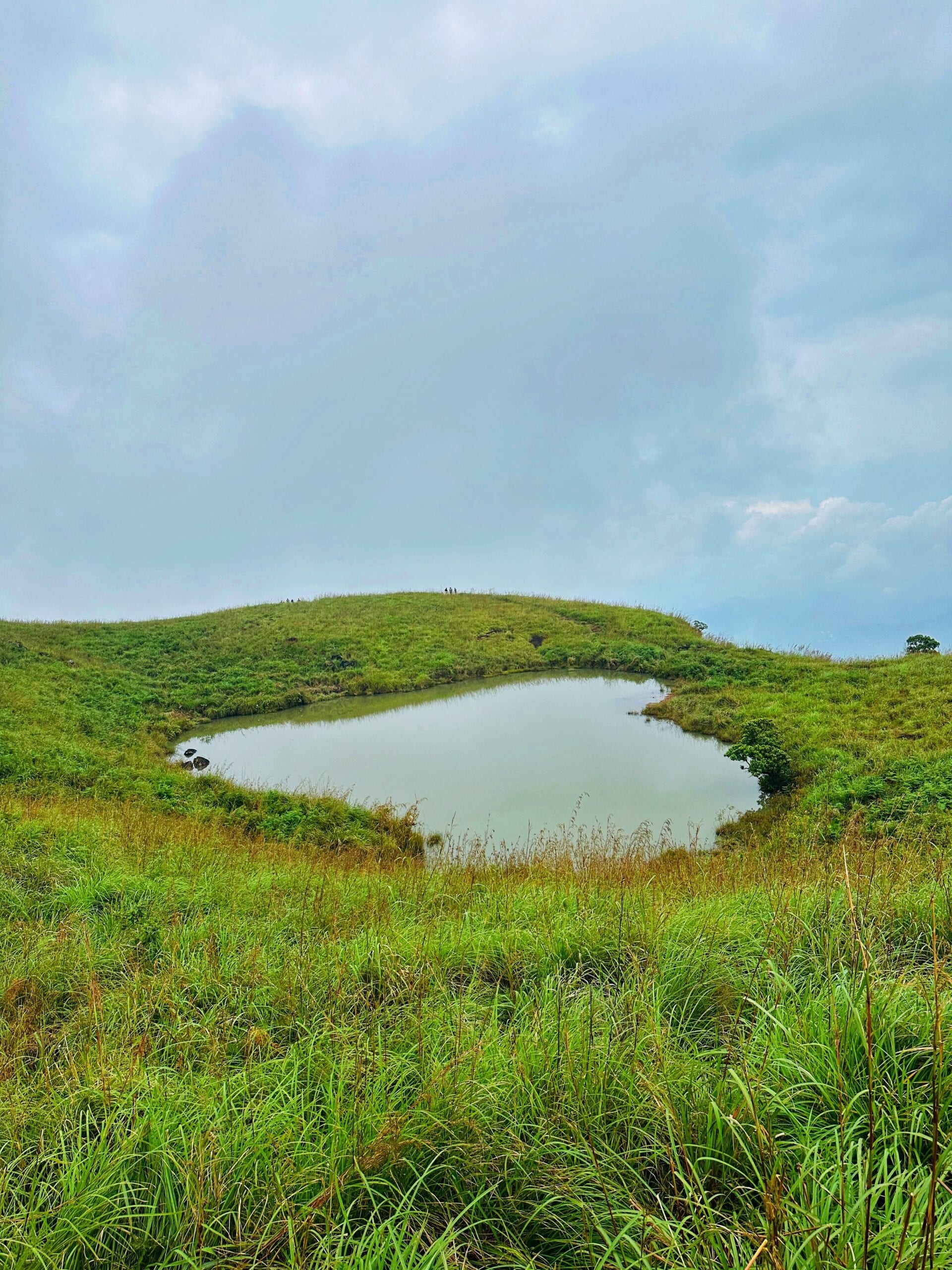
Between June and September, Wayanad comes alive. Rolling hills become intensely green, streams swell, and famous waterfalls like Soochipara, Meenmutty and Kanthanpara roar back to life after the dry summer months. Popular attractions including Chembra Peak, Edakkal Caves, Vythiri and Kalpetta look particularly stunning under cloudy skies, making the region a paradise for photographers and nature lovers.
Between June and September, Wayanad comes alive. Rolling hills become intensely green, streams swell, and famous waterfalls like Soochipara, Meenmutty and Kanthanpara roar back to life after the dry summer months. Popular attractions including Chembra Peak, Edakkal Caves, Vythiri and Kalpetta look particularly stunning under cloudy skies, making the region a paradise for photographers and nature lovers.
6/7
Pleasant Weather And Thriving Wildlife Add To The Appeal
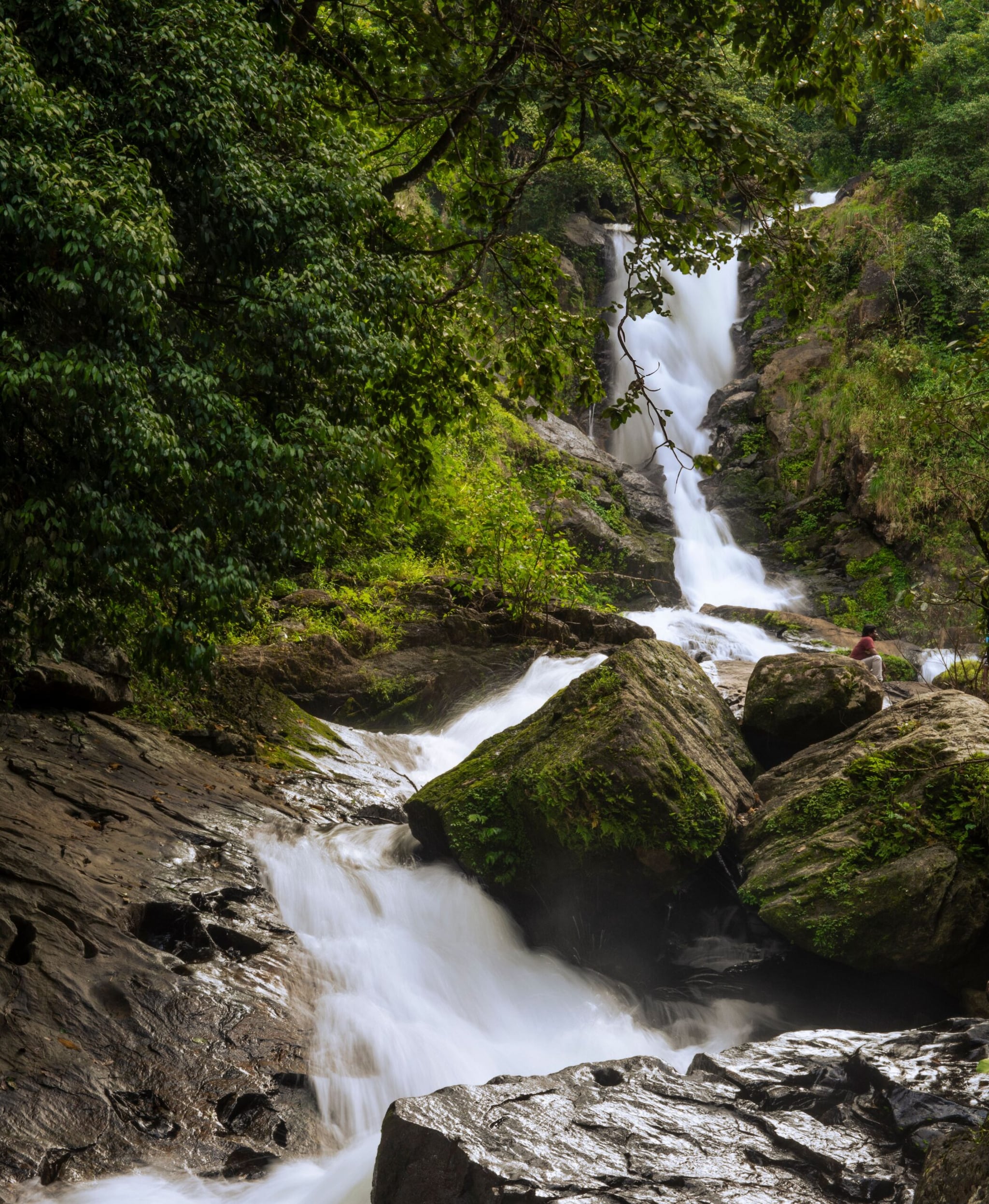
Thanks to its elevation, Wayanad remains pleasantly cool during the monsoon, with temperatures generally ranging between 15°C and 25°C. The rains also breathe life into the Wayanad Wildlife Sanctuary, where forests become denser, biodiversity flourishes, and the scent of wet earth, spices and eucalyptus fills the air.
Thanks to its elevation, Wayanad remains pleasantly cool during the monsoon, with temperatures generally ranging between 15°C and 25°C. The rains also breathe life into the Wayanad Wildlife Sanctuary, where forests become denser, biodiversity flourishes, and the scent of wet earth, spices and eucalyptus fills the air.
7/7
India’s Monsoon Tourism Boom Is Only Getting Bigger
Wayanad may be leading the charts, but it’s part of a much larger trend. India’s Northeast is also seeing a monsoon tourism surge, with flight bookings rising by 62% and hotel bookings increasing by over 90%. Destinations such as Shillong, Guwahati, Itanagar, Jorhat and Imphal are attracting more visitors than ever, showing that travellers are embracing the country’s rain-soaked landscapes from Kerala to the Northeast.
Wayanad may be leading the charts, but it’s part of a much larger trend. India’s Northeast is also seeing a monsoon tourism surge, with flight bookings rising by 62% and hotel bookings increasing by over 90%. Destinations such as Shillong, Guwahati, Itanagar, Jorhat and Imphal are attracting more visitors than ever, showing that travellers are embracing the country’s rain-soaked landscapes from Kerala to the Northeast.