Embrace the rainy season by reviving these ten traditional, highly nutritious monsoon superfoods that have faded from modern Indian plates.
Kanthola (Spiny Gourd): Also known as kakrol, this small, spiky monsoon vegetable floods local markets only during the rains. Exceptionally high in antioxidants and dietary fiber, it fortifies your immune system, regulates blood sugar, and shields the body from all common viral infections. (Image: Pexels)
2/10
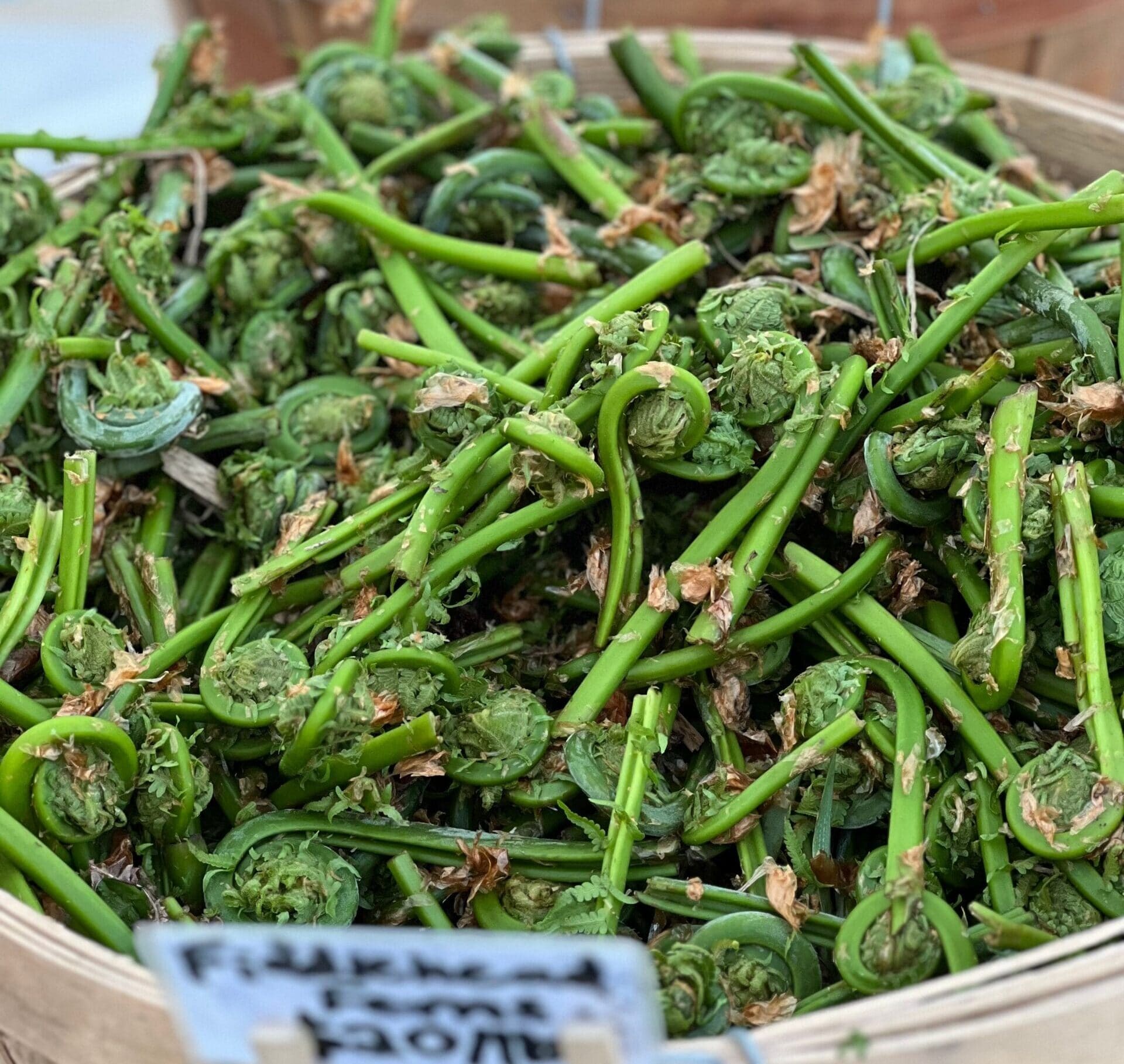
Lingri (Fiddlehead Ferns): Harvested from the wild Himalayan slopes during heavy rains, these tightly coiled green fronds are a rare seasonal delicacy. They are packed with essential fatty acids, iron, and vitamin A, helping to combat inflammation and boost your overall gut health. (Image: Pexels)
3/10
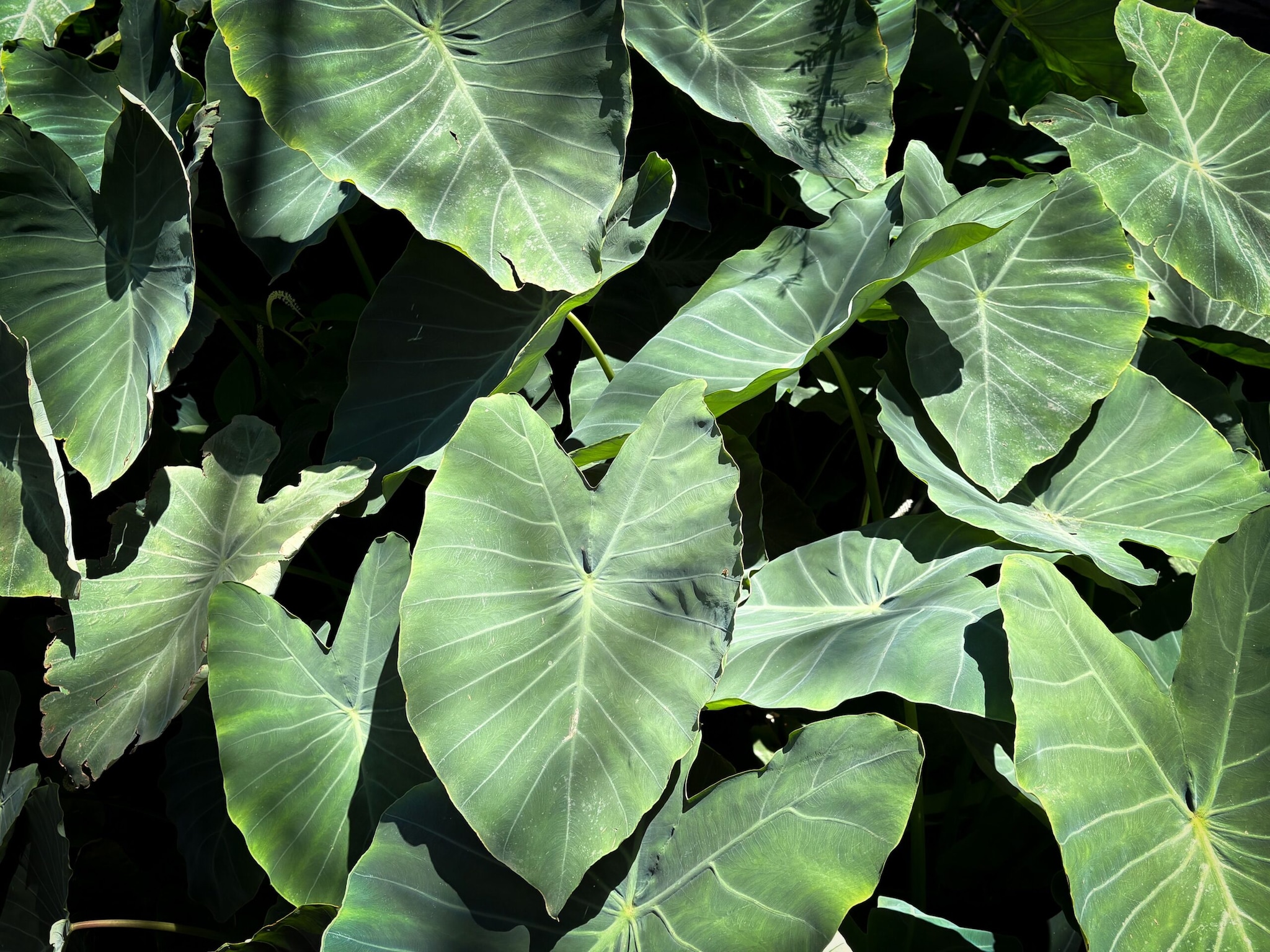
Colocasia Leaves (Arbi ke Patte): While the roots are eaten all year, these large, heart shaped leaves thrive in the damp monsoon climate. Rich in iron, vitamin C, and beta carotene, they are famously rolled into delicious pinwheels called patra, which actively promote healthy vision. (Image: Pexels)
4/10
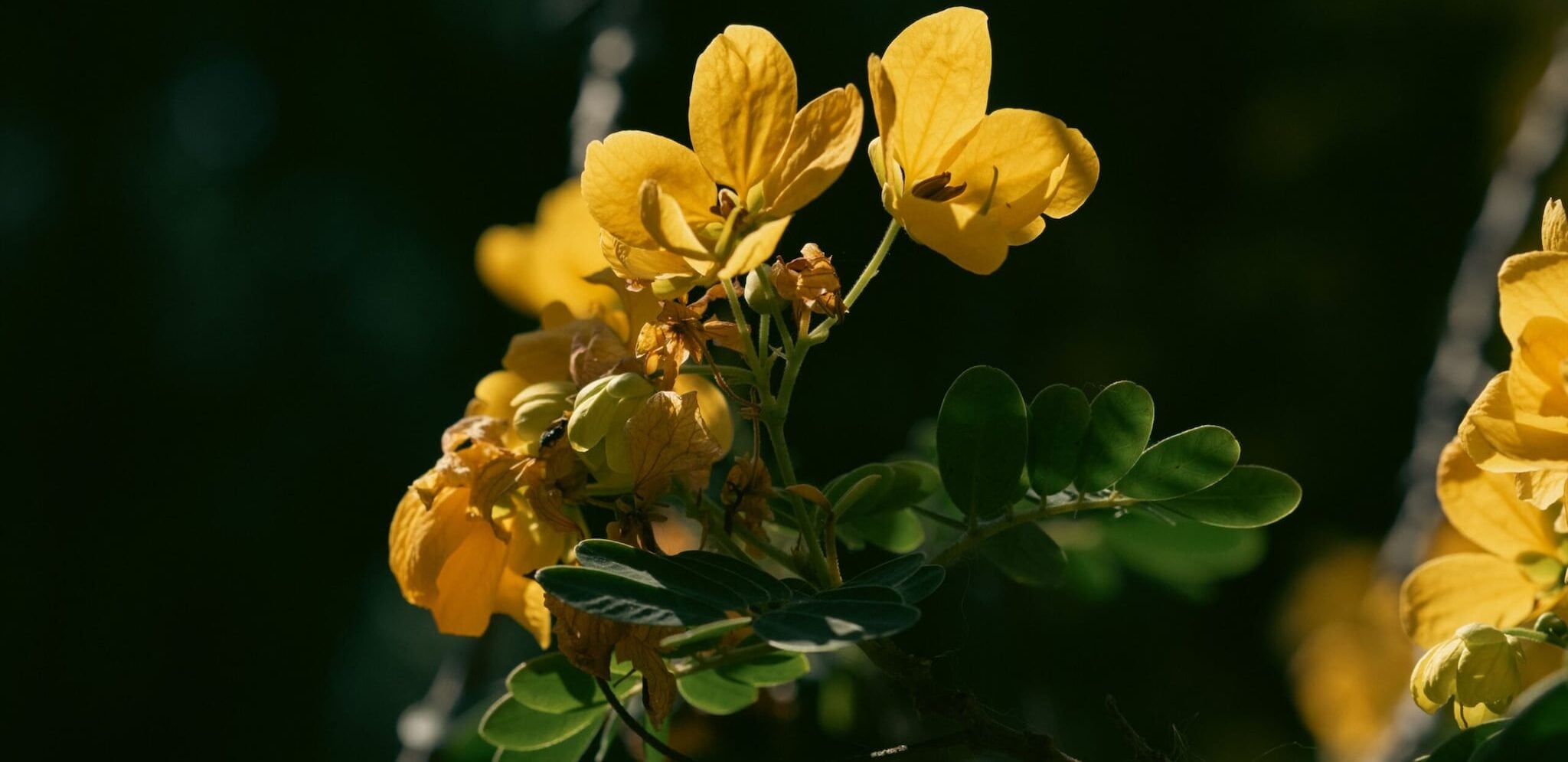
Takla (Sickle Senna): This wild, leafy green sprouts abundantly in Maharashtra at the very onset of the rainy season. Prepared as a simple stir fry, it is highly valued in Ayurveda for its powerful anti inflammatory properties, treating skin ailments and preventing monsoon indigestion. (Image: Pexels)
5/10
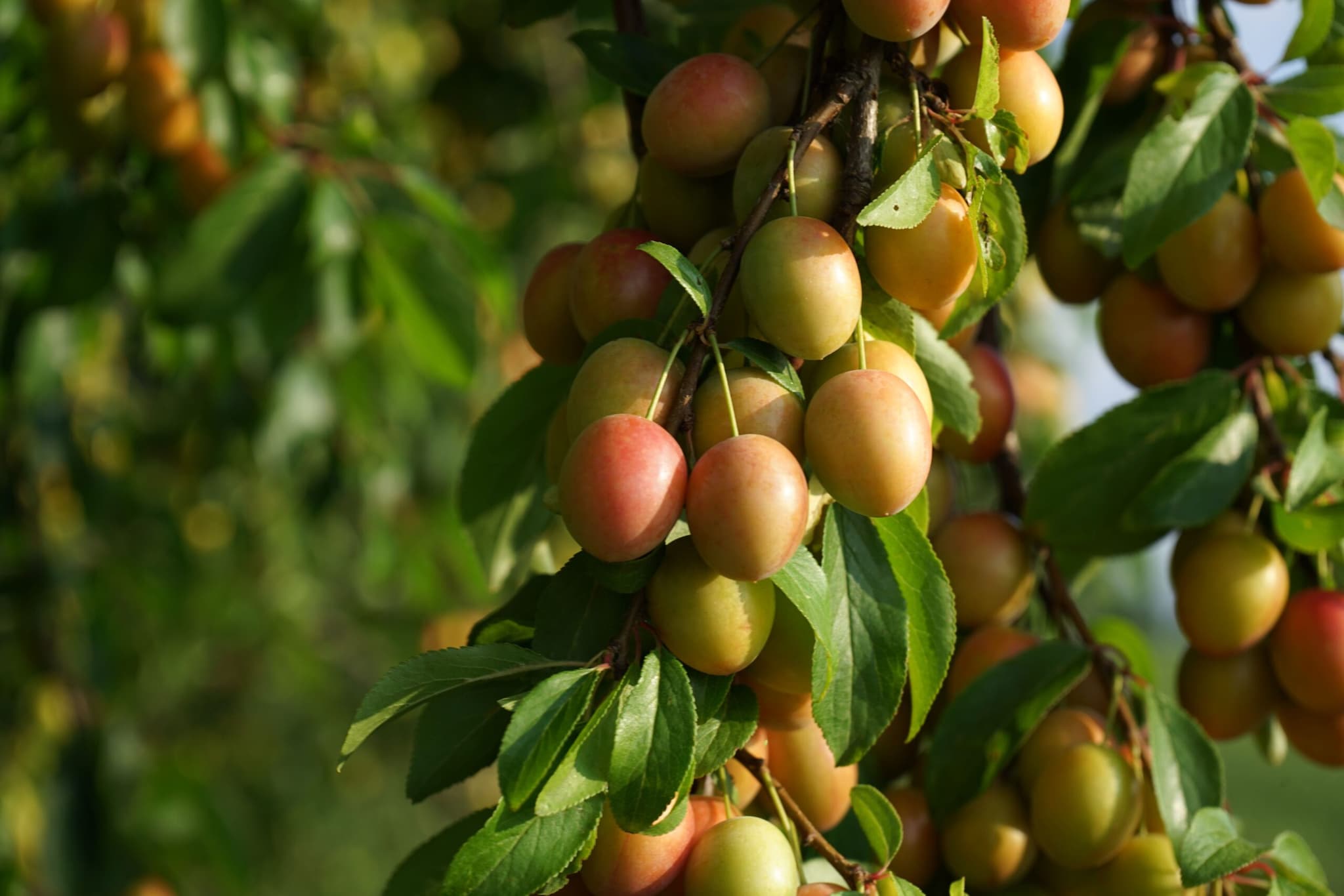
Karonda (Natal Plum): These small, sour, pink and white berries ripen during the peak of the Indian monsoon. Packed with vitamin C, iron, and essential minerals, they aid in blood purification, boost skin health, and prevent common waterborne infections that frequently arise now. (Image: Pexels)
6/10
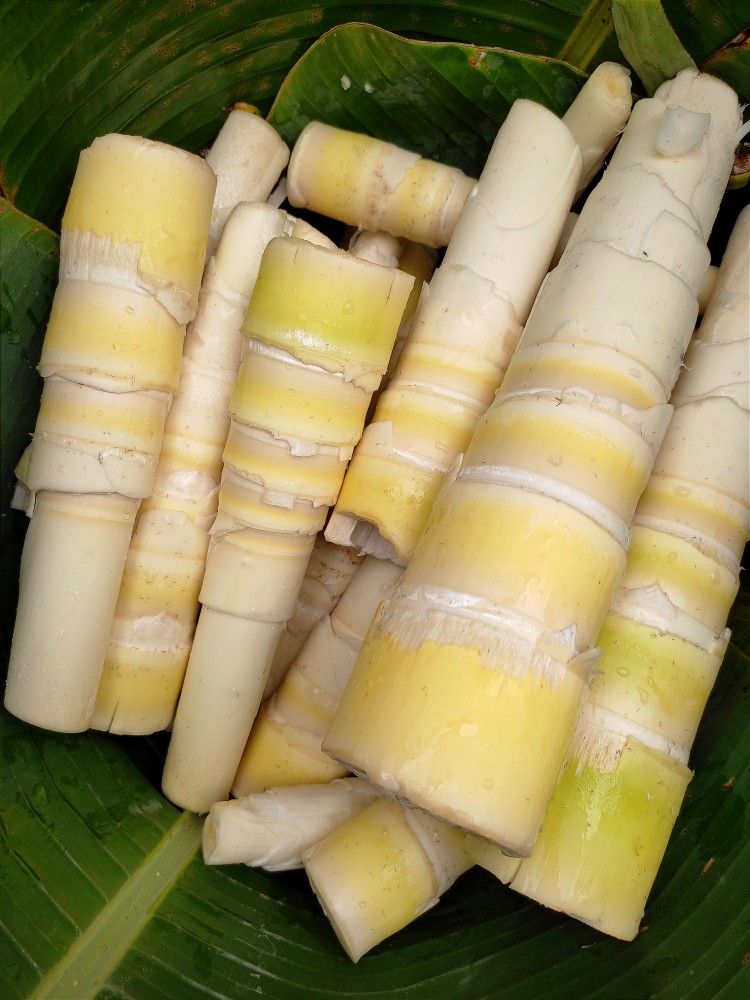
Bamboo Shoots: Fresh bamboo shoots emerge during the wet monsoon months, particularly in Northeast India. High in dietary fiber and low in calories, they are excellent for gut health, lowering cholesterol, and maintaining a strong digestive tract during the sluggish rainy season. (Image: Pinterest)
7/10
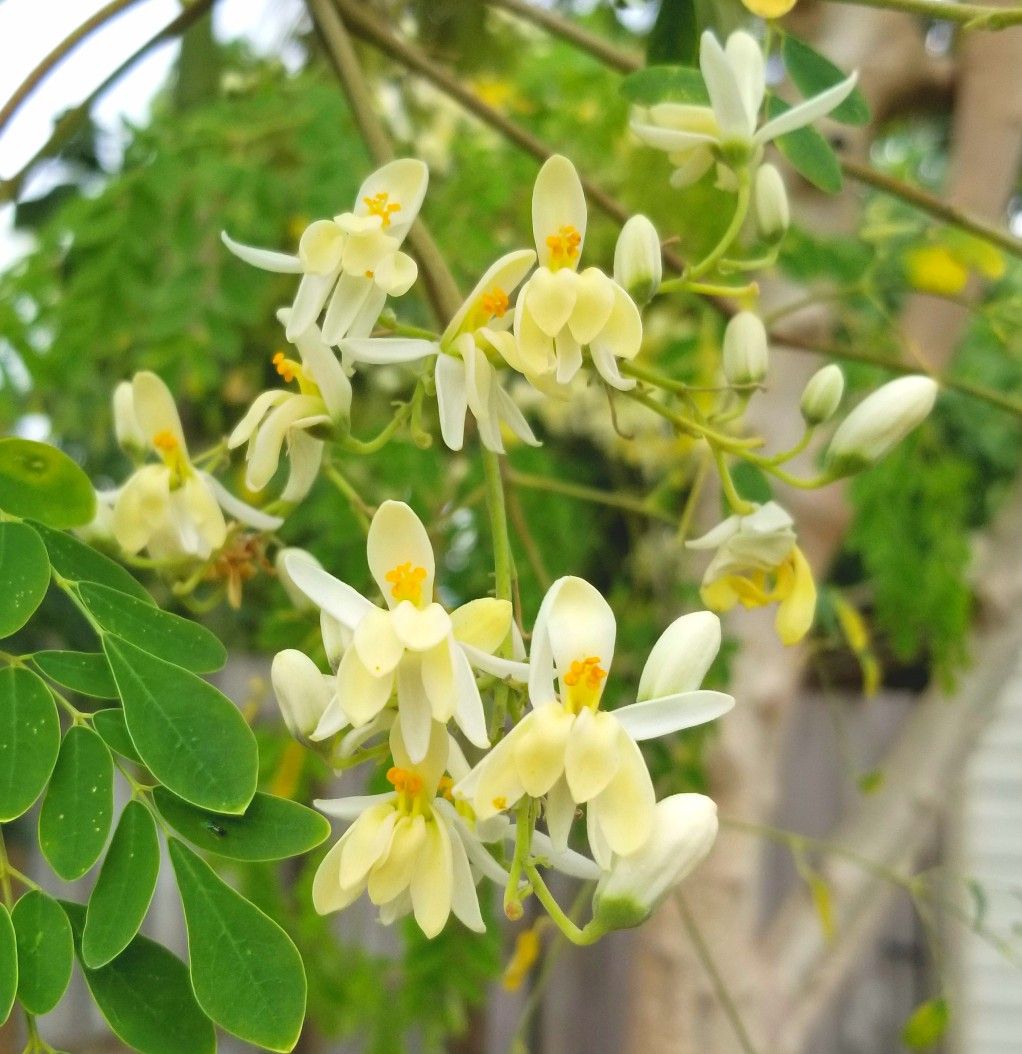
Moringa Flowers (Sahjan ke Phool): While moringa leaves are famous, the delicate flowers blossom during seasonal transitions. These edible blooms possess incredibly potent antimicrobial and antiviral properties, making them highly effective at warding off sudden seasonal colds, painful throat infections, and harmful monsoon flu viruses. (Image: Pexels)
8/10
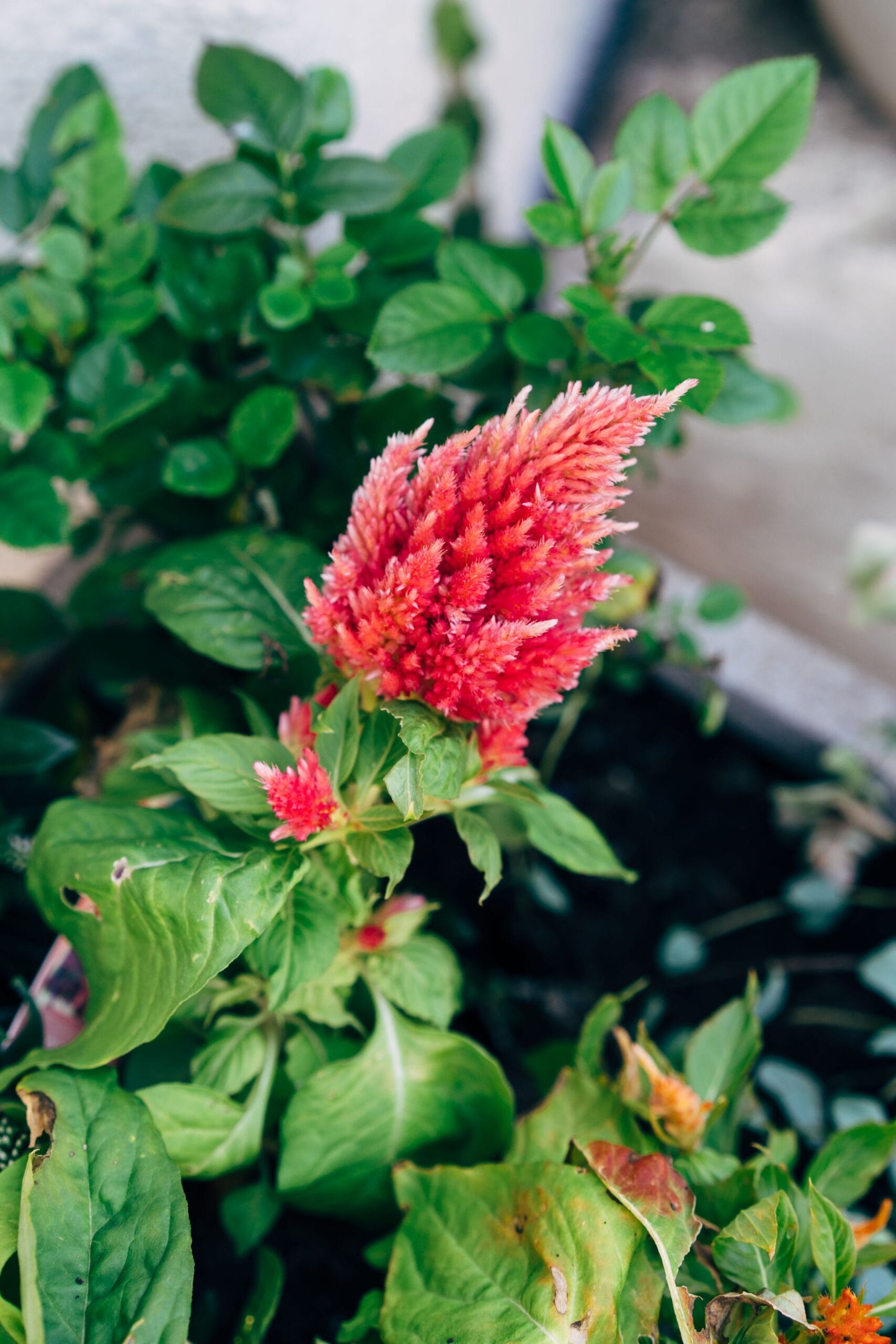
Kurdu (Silver Cockscomb): This resilient wild green thrives on hillsides during the monsoons. Culturally consumed as a leafy vegetable, it is packed with calcium, vitamin C, and zinc. Its cooling properties perfectly balance the damp, humid heat that characterizes these rainy monsoon days. (Image: Pexels)
9/10
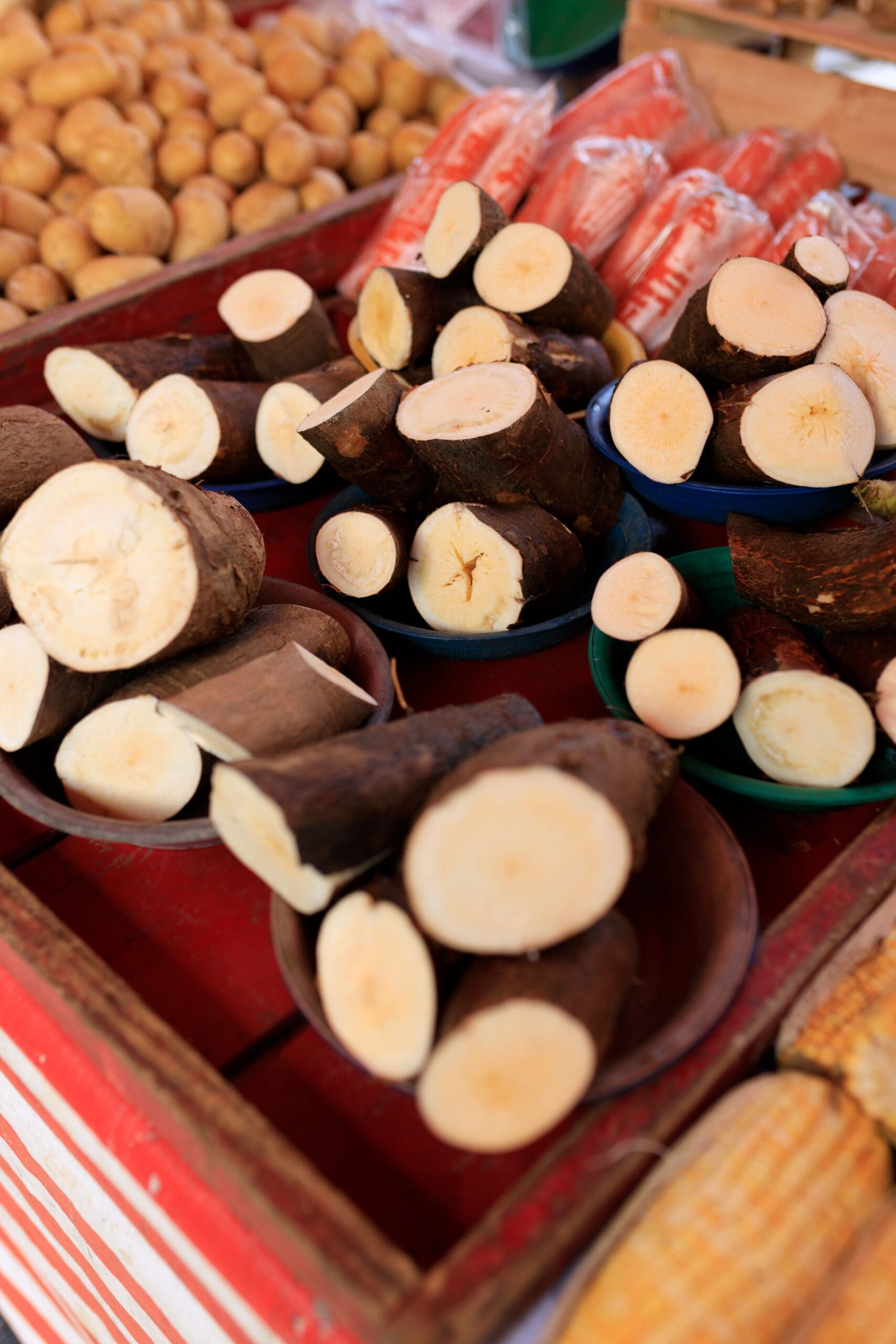
Sheval (Dragon Stalk Yam): Sprouting only for a few weeks with the first monsoon showers, Sheval is a highly prized wild tuber. Extremely rich in fiber and minerals, it requires meticulous preparation to detoxify but offers tremendous anti inflammatory benefits and cures digestive issues. (Image: Pexels)
10/10
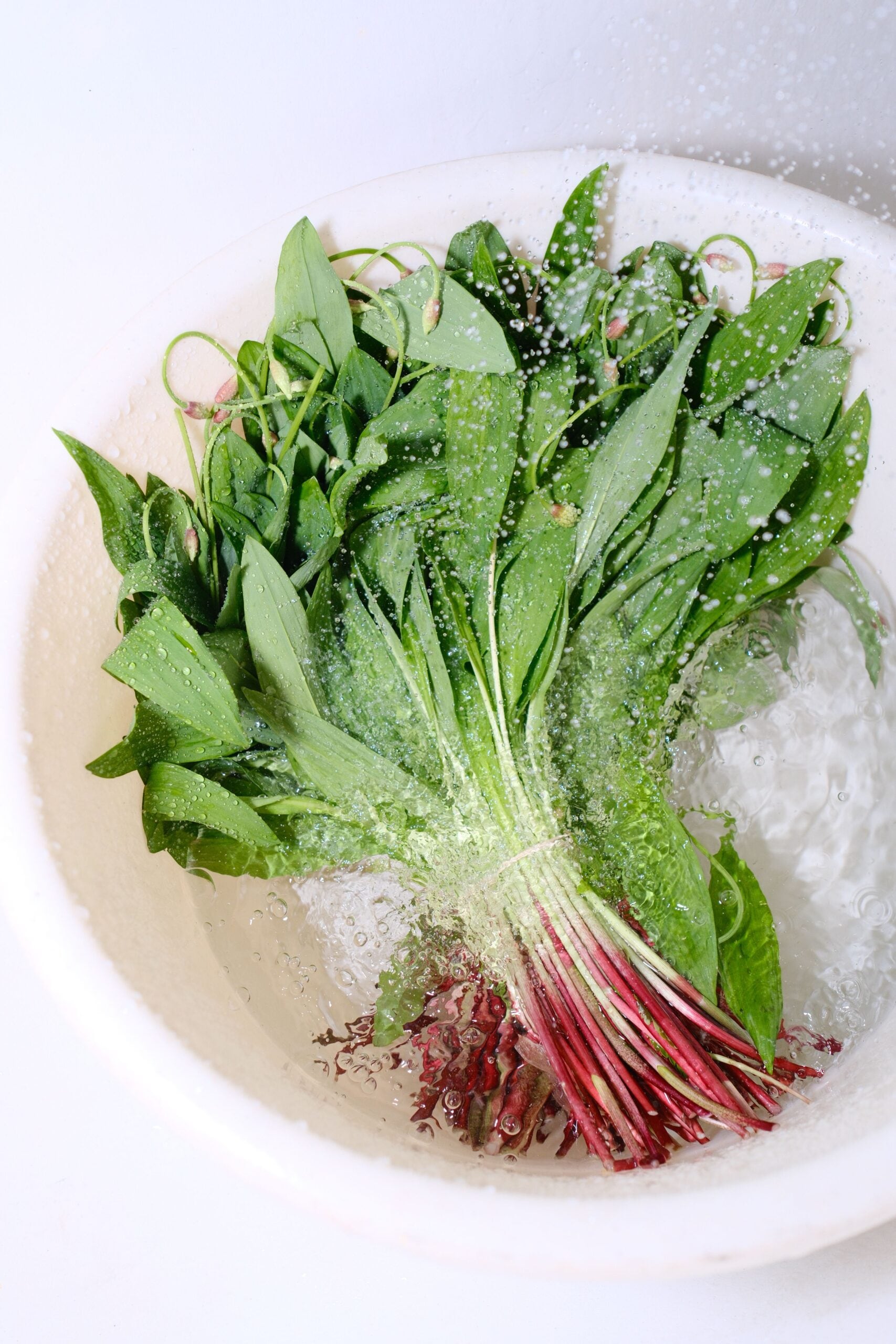
Amaranth Leaves (Chaulai): Though available at other times, red and green amaranth thrives gloriously during the monsoon rains. Loaded with iron, calcium, and essential vitamins, this forgotten leafy green is perfect for boosting red blood cell counts and strengthening your seasonal immune system. (Image: Pexels)